


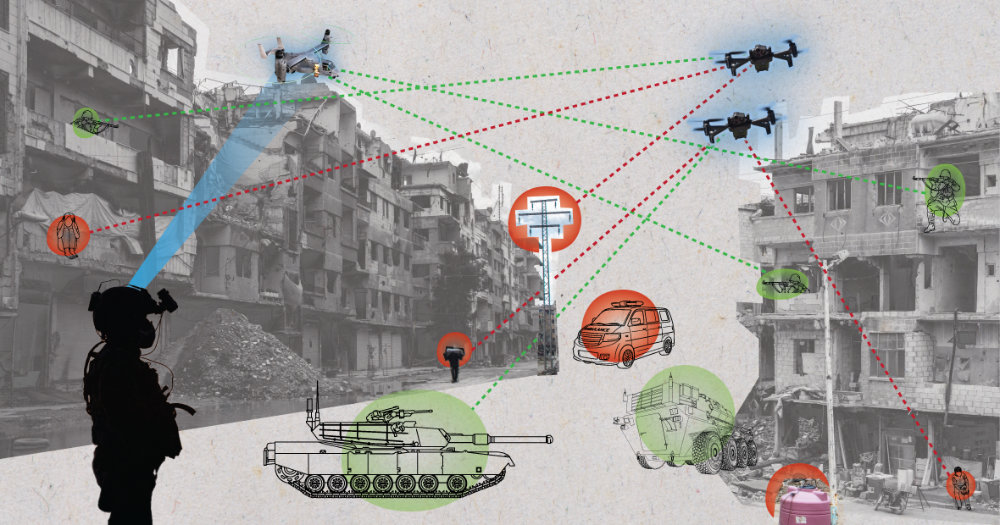
Artificial Intelligence (AI) is no longer confined to civilian applications like healthcare, education, or finance. It is rapidly becoming a critical component in military operations around the world. Nations are investing heavily in AI-driven technologies to enhance battlefield awareness, decision-making, and tactical advantage. From predictive analytics to autonomous drones, AI is redefining how wars are fought and how strategies are developed.
The United States, China, Russia, and several NATO members have acknowledged that AI will determine the future of defense capabilities. The race to dominate AI in the military sector has sparked concerns about global security, ethical dilemmas, and potential escalations in warfare. Experts https://malaka555.sg-host.com/ suggest that AI could create faster, more precise strategies while also introducing unpredictable risks.
Enhancing Battlefield Awareness
One of the most significant contributions of AI to military strategy is real-time data processing. Modern battlefields generate enormous amounts of information—from satellite images, sensor networks, and communication signals. Human analysts cannot process this data quickly enough to make immediate decisions.
AI algorithms can analyze battlefield data within seconds, identifying troop movements, predicting enemy tactics, and detecting threats before they become critical. For example, AI-powered surveillance systems can differentiate between civilian and military activities with greater accuracy. This capability allows military leaders to make informed decisions quickly, reducing casualties and improving mission effectiveness.
Moreover, AI enhances cybersecurity within defense systems. By monitoring network activity, AI can detect unusual patterns that may signal cyberattacks. This proactive defense mechanism ensures the safety of classified information and prevents adversaries from disrupting military communication systems.
The Rise of Autonomous Weapons
Another major advancement in AI-driven military technology is the development of autonomous weapons. These systems, often referred to as “killer robots,” are capable of identifying and engaging targets without direct human intervention. Drones, unmanned ground vehicles, and AI-powered missile systems represent just a fraction of this evolving arsenal.
Advocates argue that autonomous weapons reduce human exposure to dangerous environments and can carry out missions with higher precision. For instance, AI drones equipped with computer vision can track and strike targets with minimal error rates. However, critics raise concerns about accountability—who is responsible if an AI-controlled weapon makes a mistake?
International organizations, including the United Nations, have called for discussions on regulating or even banning fully autonomous weapons. The absence of clear global agreements poses a risk of uncontrolled proliferation.
Strategic Decision-Making and Future Conflicts
Beyond tactical operations, AI also influences high-level strategic planning. Predictive models powered by AI help military leaders forecast potential conflicts, assess enemy capabilities, and evaluate possible scenarios. These simulations provide valuable insights into long-term strategies, enabling nations to prepare more effectively for future challenges.
In addition, AI can be used to optimize supply chains, manage logistics, and coordinate troop deployments. By predicting resource demands, AI ensures that military operations run smoothly, reducing delays and enhancing readiness.
However, reliance on AI also introduces vulnerabilities. Adversaries may attempt to manipulate algorithms or feed false data to disrupt decision-making. This new form of “algorithmic warfare” requires continuous innovation to safeguard AI systems from exploitation.